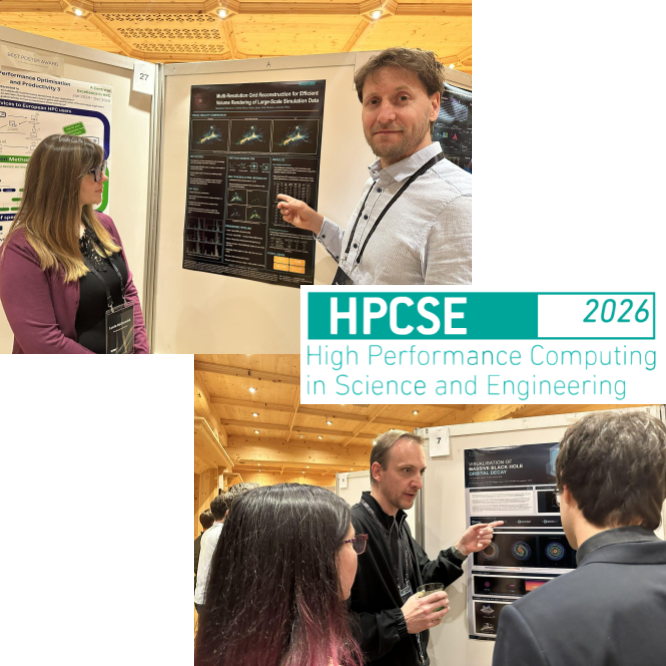
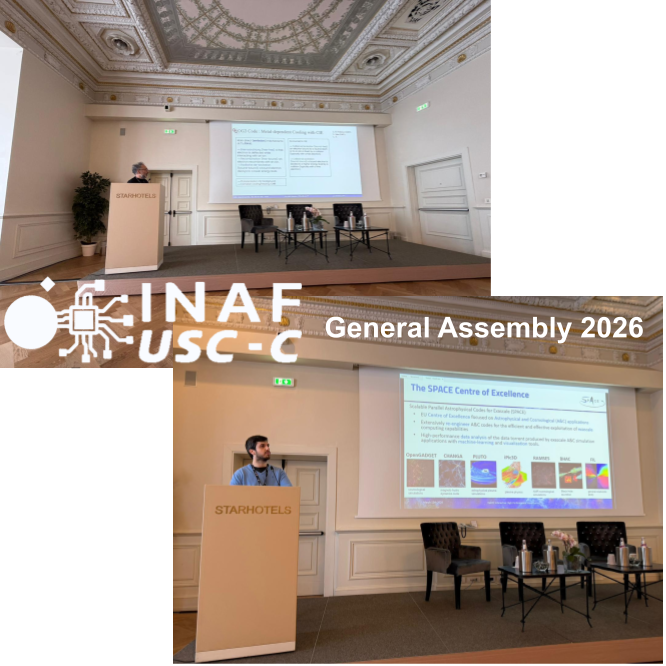
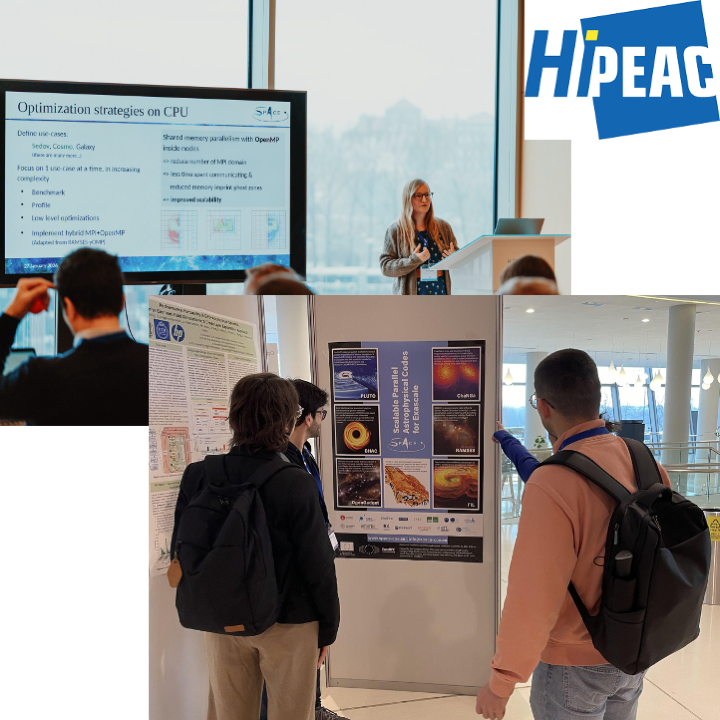
The HiPEAC conference is the premier European forum for experts in computer architecture, programming models, compilers and operating systems for general-purpose, embedded and cyber-physical systems. Areas of focus and integration include safety-critical dependencies, cybersecurity, energy efficiency and machine learning. The HiPEAC 2026 conference took place in Kraków, Poland. Associated workshops, tutorials, special sessions, several large poster sessions and an industrial exhibition ran in parallel with the conference.
WORKSHOP Centres of Excellence (CoEs) are initiatives supported by EuroHPC Joint Undertaking, aiming at developing a robust software ecosystem for High Performance Computing (HPC) and Quantum Computing (QC) across academia and industry. These efforts are designed to deliver tangible benefits, particularly in addressing scientific and societal challenges. HPC and quantum computing are rapidly evolving disruptive technologies. Harnessing their full potential demands significant adaptations or even a complete rewrite of existing application codes. This presents a considerable challenge, as legacy algorithms must be re-engineered to perform efficiently on next-generation, heterogeneous supercomputing architectures.
The workshop titled “Rethinking scientific applications for exascale and emerging architectures: the Centre of Excellence challenge” built on the success of the workshops held at HiPEAC 2024 and 2025, continuing the dialogue among Centres of Excellence in HPC and the European Quantum Excellence Centres. It brought together researchers from different CoEs to share their experiences in modernising or developing algorithms for emerging architectures. Key challenges and potential solutions in porting CoE applications to cutting-edge platforms were discussed, fostering knowledge exchange within the community. The event represented a remarkable opportunity to exchange best practices, explore innovative approaches, and strengthen collaboration across CoEs and the broader HPC community. To promote inclusivity, contributions from early-career researchers and scientists from underrepresented groups were encouraged.
This workshop was organised by several CoEs: ChEESE, EoCoE, Esiwace, Excellerat, Max, MultiXscale, POP and SPACE.
POSTER SPACE CoE also took the opportunity to introduce its activities and especially flagship codes in the poster session. The poster “Scalable Parallel Astrophysical Codes for Exascale” was presented by Nitin Shukla from CINECA and Daniele Gregori from E4. It attracted many attendees of the conference and set the floor for further networking.
Find more details about HiPEAC 2026 at www.hipeac.net
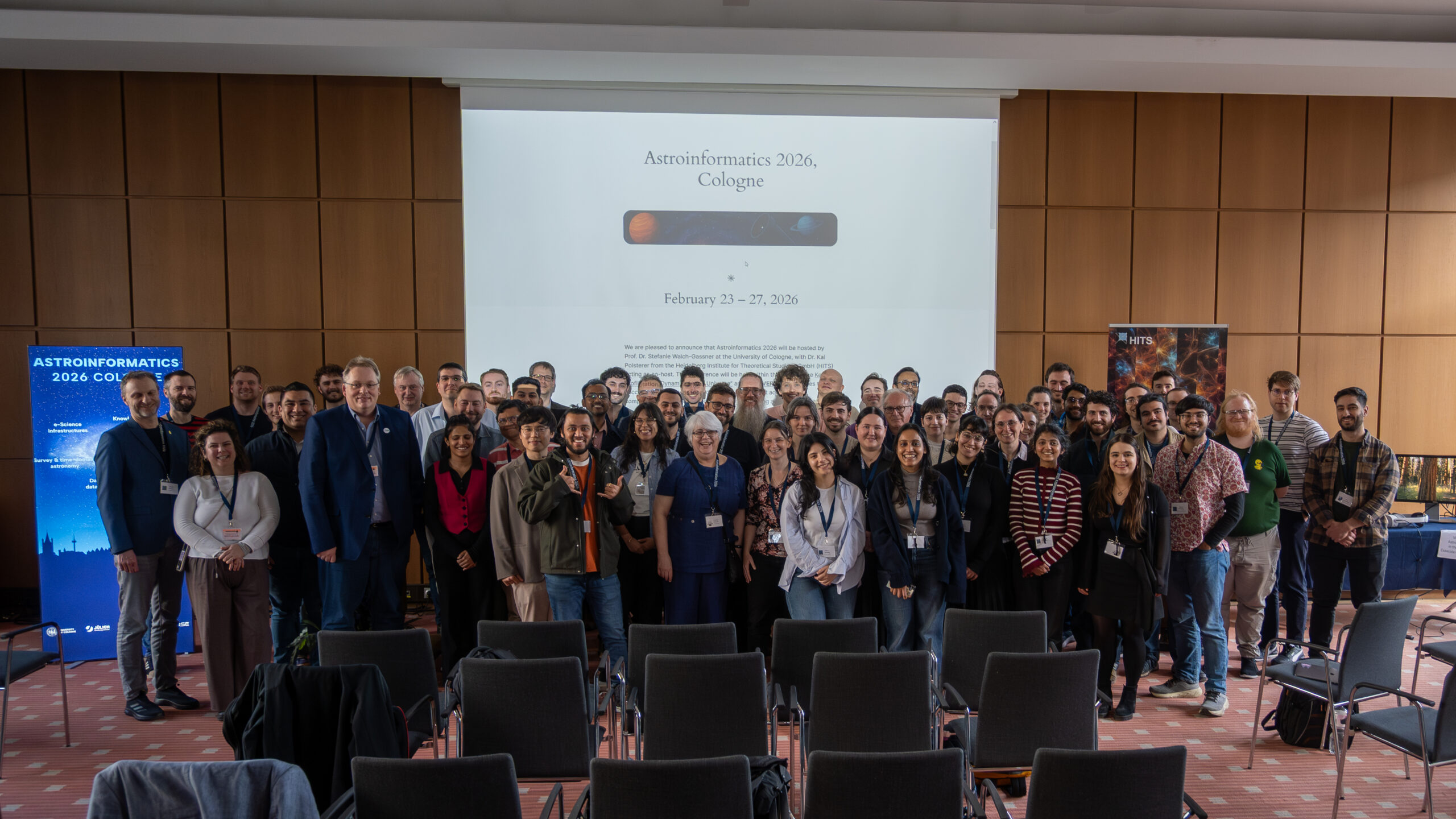
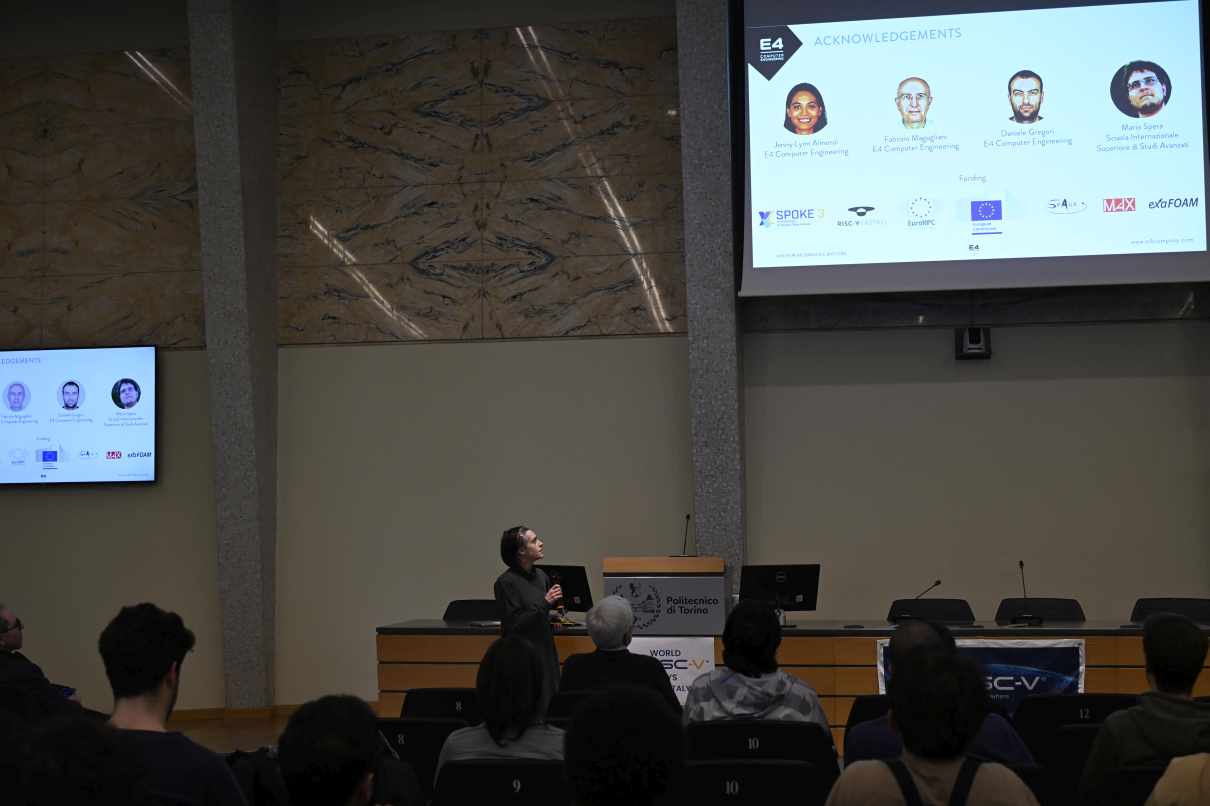
The SPACE HPC Winter School was an onsite training that formed part of the larger event called “The Universe in a Chip: Final ICSC Spoke‑3 Meeting on HPC & Big Data in Astrophysics.” It took place in Sesto Pusteria (Italy) from 14 to 19 December 2025 and was hosted at the Sexten Center for Astrophysics.
A cutting‑edge infrastructure for HPC and big data management leverages both existing resources and upcoming technology. During the event, SPACE partners engaged with the strategic scientific fields of astrophysics and cosmos observations, which aims at the exploitation of cutting-edge solutions in HPC and big data processing and analysis for problems of interest in the following research areas: cosmology, stars and galaxies, space physics (earth, solar and planetary), radio astronomy, observational and time domain astrophysics, high energy astrophysics, cosmic microwave background, large scale structure of the universe, clusters of galaxies, multi-messenger astrophysics, and numerical simulations and modelling.
Throughout the programme, the main achievements of two initiatives – SPACE CoE and Spoke 3 of the National Centre for HPC, Big Data, and Quantum Computing – were presented through talks and poster sessions. The SPACE Centre of Excellence explained its aim of advancing to exascale paradigms seven of the most utilised European codes. The school facilitated knowledge exchange and integration of results across the projects. SPACE CoE prepared three dedicated sessions presenting exascale applications, machine‑learning and visualisation tools, as well as a hands‑on session offering practical tutorials on the SPACE exascale applications.
The school was delivered in partnership with the Italian National Centre on High-Performance Computing, Big Data and Quantum Computing, a project created and managed by the ICSC Foundation. It is one of the five National Centres funded within the National Recovery and Resilience Plan (PNRR) promotes and supports research and development activities to advance HPC and big-data analytics.
More information can be found here: https://www.sexten-cfa.eu/event/icsc-spoke3-fm/
SPACE St. Louis was glowing in November as SC25 brought together the global supercomputing community for a truly unforgettable event. SC25, the world’s largest supercomputing conference focused on high‑performance computing, networking, storage, and data analysis, celebrated its 37th edition. It took place from 16 to 21 November 2025 at the Convention Center in St. Louis, USA. The Supercomputing Conference lived up to its 2025 theme “HPC Ignites”, delivering bold ideas, breakthrough stories, and exceptional collaboration across the HPC community.
The conference featured a comprehensive technical program, including papers, tutorials, workshops, panels, posters, student programmes, and demonstrations powered by the cutting‑edge SCinet network. Filling the entire America’s Center Convention Complex, including The Dome (St. Louis’ impressive indoor stadium), SC25 reached a new milestone with 524 exhibitors and welcomed more than 16,500 attendees from around the world.
SPACE partners also joined the event. INAF participated with exhibition booth no. 2524, presenting research and IT activities related to face computational challenges in Astronomy & Astrophysics thanks to HPC and innovative technologies such as Virtual Reality and interactive multidimensional data navigation. IT4Innovations also promoted the CoE SPACE at SC25. The Czech National Supercomputing Center participated with exhibition booth no. 4604, presenting the activities and codes of CoE SPACE through a dedicated video and distributing project promotional materials, including flyers and stickers.
SC25 continued its mission to showcase breakthroughs in HPC and fostered collaboration among researchers, industry leaders, and students globally. The next event, SC26, will take place from 15 to 20 November 2026 in Chicago.
Find more information about SC25 here: https://sc25.supercomputing.org/
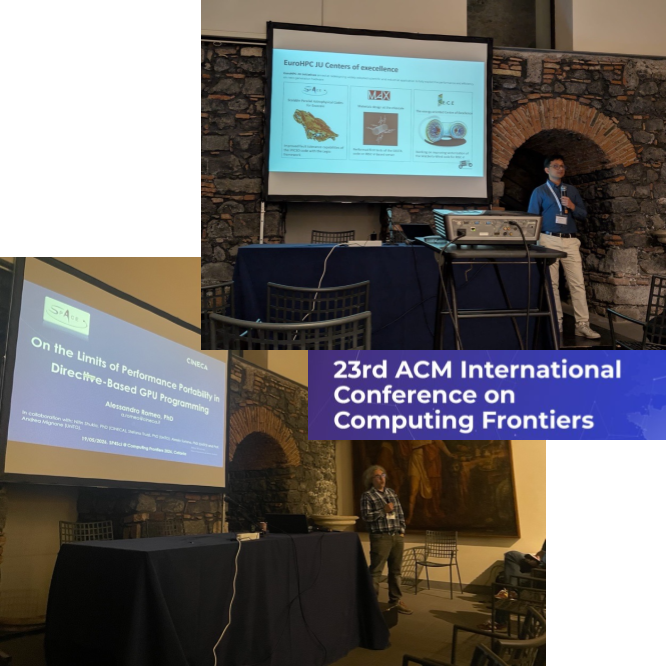
Computing Frontiers (CF) is an eclectic, interdisciplinary, collaborative community of researchers investigating emerging technologies in the broad field of computing: the common goal is to drive the scientific breakthroughs that support society.
CF'25 will feature a special session focused on collaborative projects addressing the topics of interest of the conference, including but not limited to novel computational models and algorithms, AI on the edge, new application paradigms, computer architecture (from embedded to HPC systems), computing hardware, memory technologies, networks, storage solutions, compilers, and environments.
The goal of this session is to provide a venue for increasing the visibility of current research and development collaborative projects and creating a forum for collaboration. The special session is also an opportunity to discuss future research projects and search for partnerships.
SPACE CoE will be one the collaborative project presented during this session, presenting both the interesting achievements in the lighthouse codes redesign and the very promising results in energy efficiency in HPC systems.
Looking forward to seeing you in Cagliari!
READ MORE www.computingfrontiers.org
ISC 2025 is the 40th anniversary of the world’s leading forum for advancing the application of high-performance computing in academia, government, and the private sector. The goal of this annual event is to foster a global exchange of knowledge, innovation, and collaboration in the field.
The ISC program is designed to help you find the sessions that best match your interests. It features invited talks, contributed sessions, a vendor program, and the exhibition – each offering valuable insights and the latest advancements in the field. We invite you to participate in the workshop dedicated to the readiness of HPC extreme-scaling applications, where representatives of some European Centres of Excellence, including SPACE, will address the question: "Are HPC codes ready for exa-scale? An EU HPC Centre of Excellence Point of View''.
The debate will be enriched with CoEs experiences, challenges and results for a fruitful discussion.
Don’t miss the 2nd Workshop on Readiness of HPC Extreme-Scaling Applications.
Friday, June 13, 2025 2:00 PM to 6:00 PM - Hall X10 - 1st floor
Register here: isc-hpc.com/
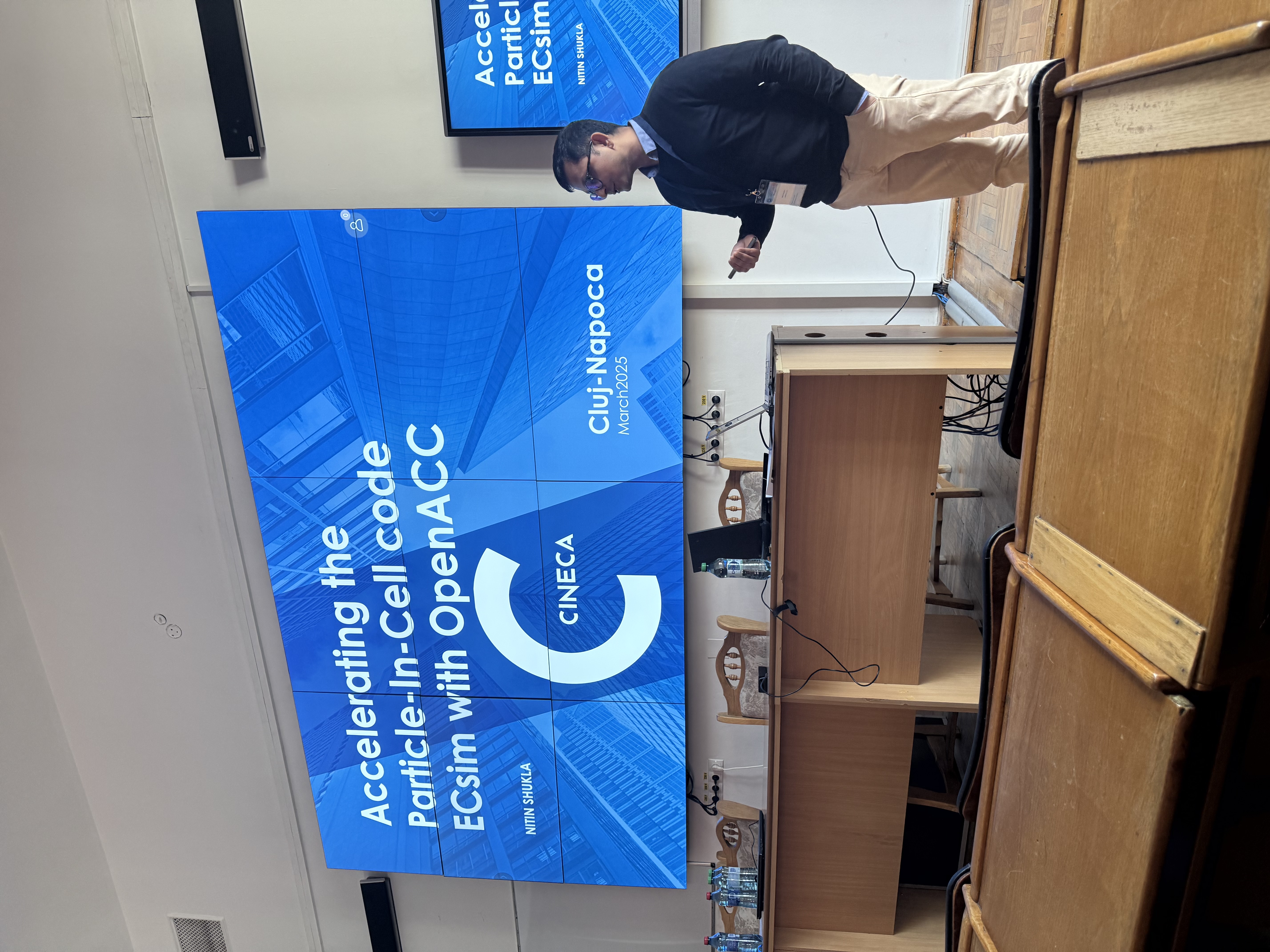
The PASC Conference series is an international and interdisciplinary platform for the exchange of knowledge in scientific computing and computational science with a strong focus on methods, tools, algorithms, workflows, application challenges, and novel techniques in the context of scientific usage of high-performance computing.
The conference was initiated in 2014 by the Platform for Advanced Scientific Computing (PASC) structuring project, which positions Swiss computational sciences in the emerging exascale era. PASC aims at promoting a joint effort to address key scientific issues in various domain sciences through interdisciplinary collaborations between computational scientists, software developers, computing centres and hardware developers within Switzerland.
During this event, we invite you to participate in the Minisympsium: “Improving Energy Efficiency of HPC Systems through SW”
Energy and power challenges increase as High-Performance Computing and AI scale to meet rapid industry and research demands. These challenges include higher CO2 emissions, increased energy costs, and strain on the power infrastructure. HPC centers are looking to reduce energy consumption and enhance energy efficiency by optimizing resource utilization and managing their workloads more efficiently. Efforts to improve energy efficiency often focus on hardware advancements, such as microarchitectures, intra-core parallelism, vectorization, and accelerators for critical workloads. These innovations reduced idle power and improved execution but have also introduced challenges like swift power variations. Data center infrastructure, rack design, and cooling techniques have also progressed. Liquid cooling, especially direct hot-water cooling, has gained traction for its cost-saving potential. Although such hardware improvements are impressive, they cannot fully address energy challenges due to their limited adaptability to workloads. Complementary software solutions provide a global view of system status and energy usage, support dynamic adaptation across the stack, enable long-term predictions of resource use, and deliver actionable insights on workload optimizations to users. Research on power-steering runtimes and monitoring tools has contributed to user-facing analytics tools. The rapid progress of AI techniques opens additional opportunities for energy efficiency and optimization in HPC systems.
Organizer(s): Lubomir Riha (IT4Innovations National Supercomputing Center, VSB-TU Ostrava), Hans-Christian Hoppe (Forschungszentrum Jülich), and Estela Suarez (SiPearl)
To find out more: pasc25.pasc-conference.org/minisymposia/
The EAS annual meeting is an event where researchers are encouraged to have a free discussion, and a free exchange of ideas and scientific results. All professional interactions should be conducted with consideration and respect. This includes, but is not restricted to, interactions with other attendees, exhibitors, administrative, technical or other support staff.
The SPACE project will be presented with a specific focus on machine learning use cases.
To find out more: eas.unige.ch/EAS2025/